
Vibration Testing Services

Helping you validate product durability, structural integrity,
and compliance under real-world mechanical vibration conditions.

Authority

What Is Vibration Testing?

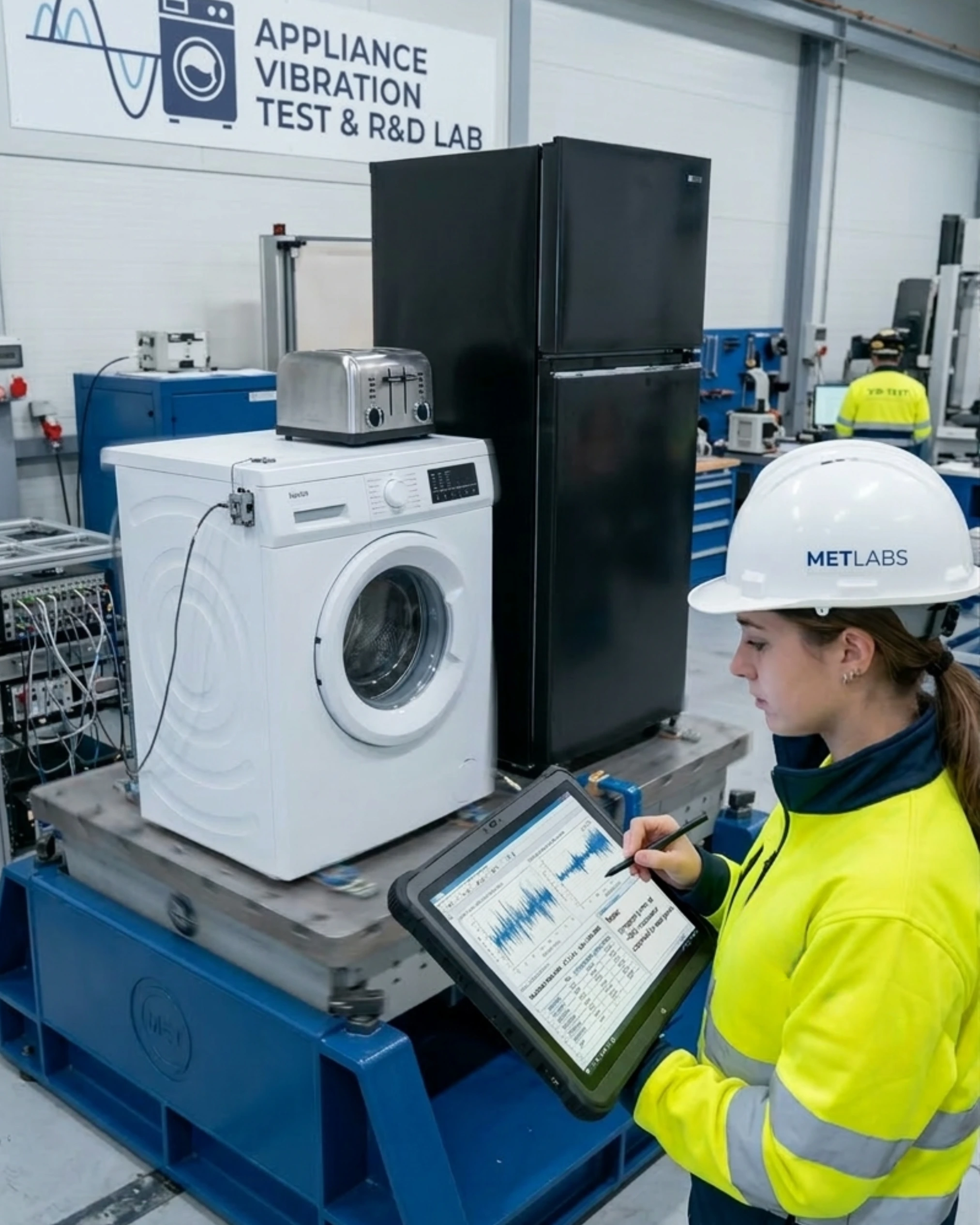
Vibration Testing involves the controlled replication of mechanical oscillations that products may experience during transportation, installation, and operational use. These simulations are used to evaluate a product’s ability to withstand continuous dynamic stress without loss of performance, safety, or structural integrity.


By replicating expected vibration environments, manufacturers can identify potential fatigue points, detect structural weaknesses, and ensure products will perform reliably in their intended applications.


Common vibration simulations include exposure to:

Random vibration
profiles

Sinusoidal vibration

Multi-axis vibration

Transportation simulation
(truck, rail, marine, air)

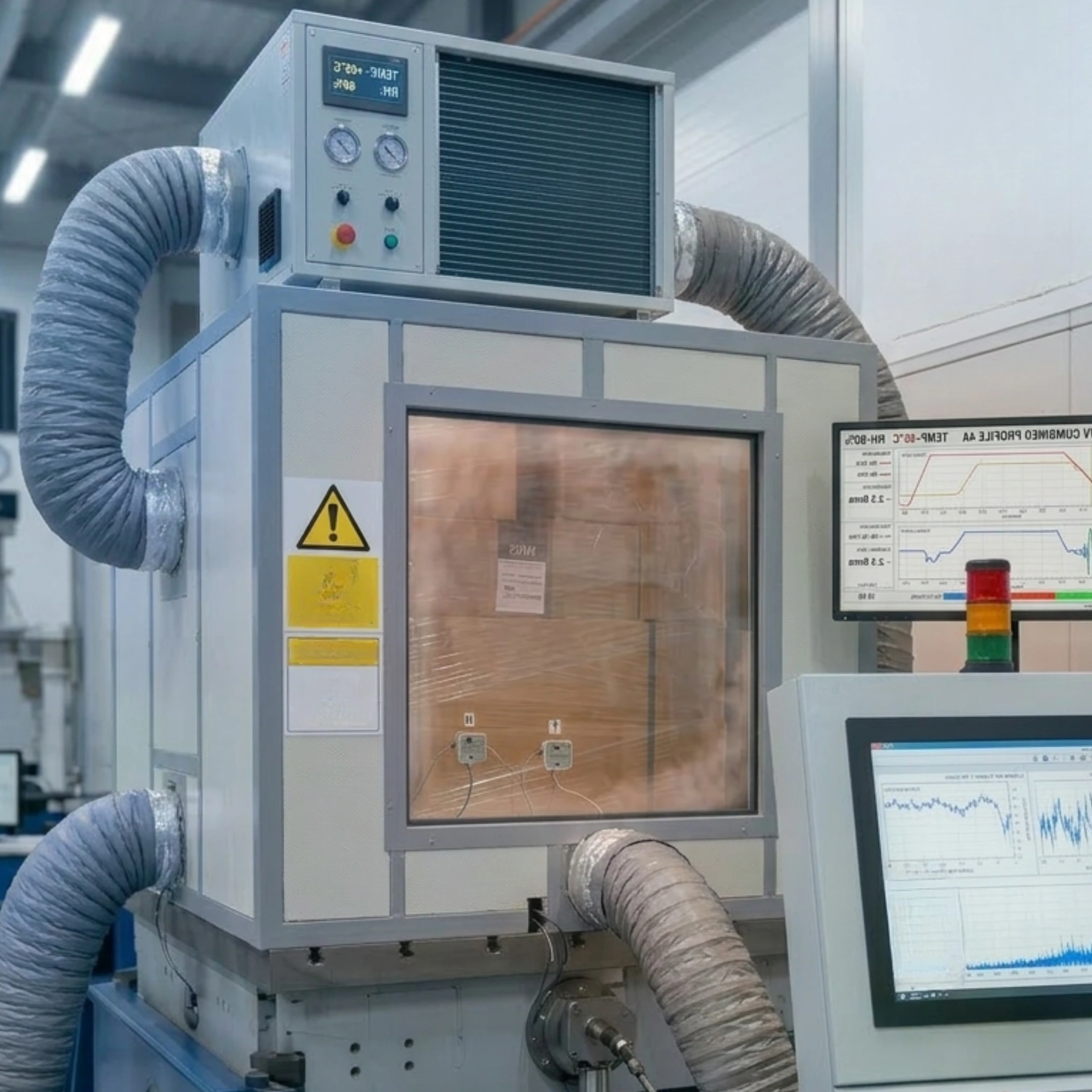
Combined temperature and vibration environments

Resonance search and dwell

Benefits

Why Perform Vibration Testing?

Vibration Testing helps manufacturers:

  • Verify product durability and structural integrity


  • Reduce the risk of field failures and warranty claims
  • Demonstrate compliance with regulatory and OEM requirements
  • Support product certification and global market access
  • Accelerate development timelines through early validation 
  • Improve long-term product reliability and lifecycle performance 

Mechanical vibration is one of the most common stress factors affecting electronic, automotive, aerospace, and industrial products. Early validation significantly reduces redesign costs and market delays.

Capabilities

Core Testing Methods

Eurofins MET Labs offers a comprehensive range of vibration testing services designed to evaluate product performance under single or combined stress conditions.

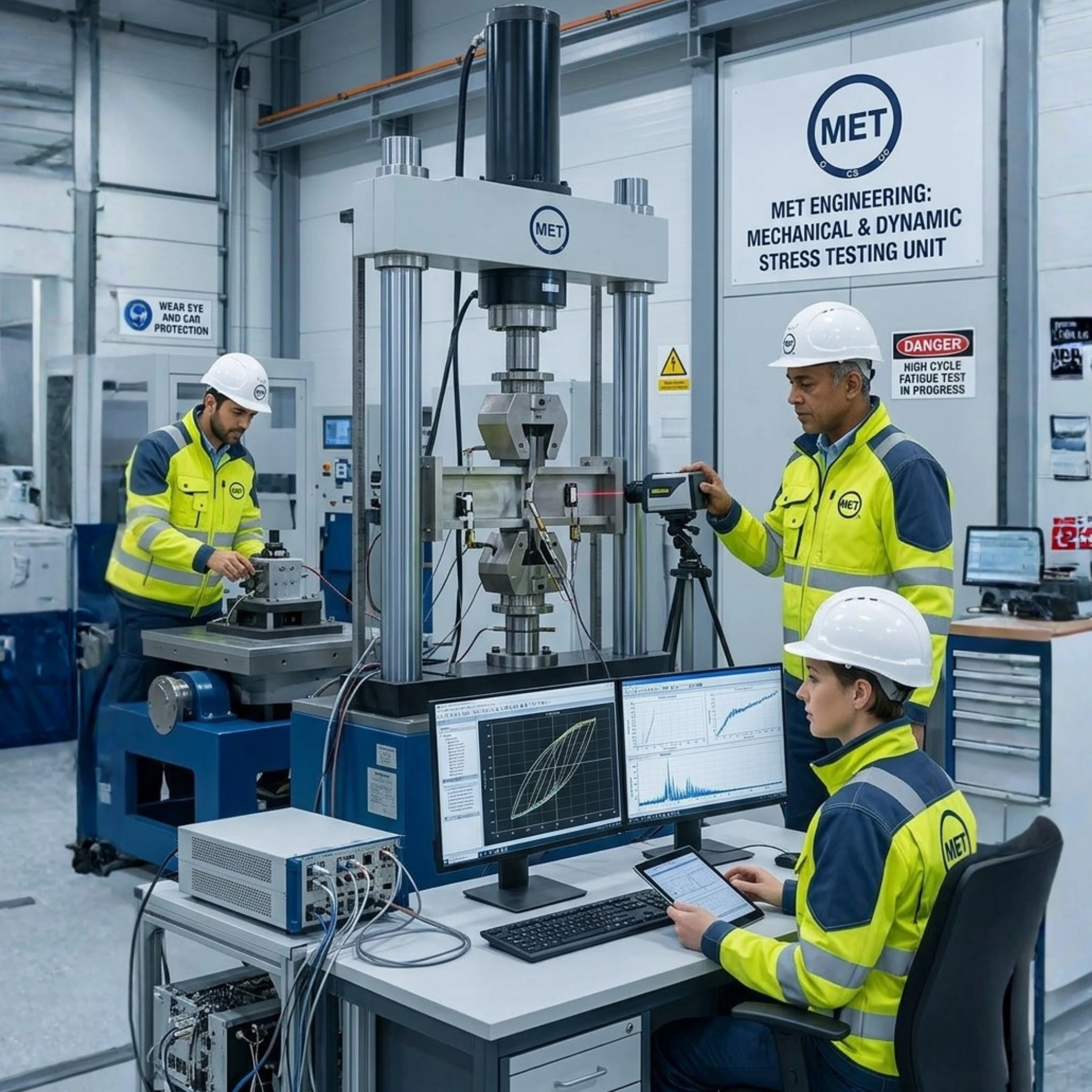
Mechanical & Dynamic Stress Testing

  • Random vibration testing
  • Sinusoidal vibration testing
  • Sine-on-random profiles
  • Resonance identification and dwell testing
  • Multi-axis vibration testing
  • Long-duration fatigue testing

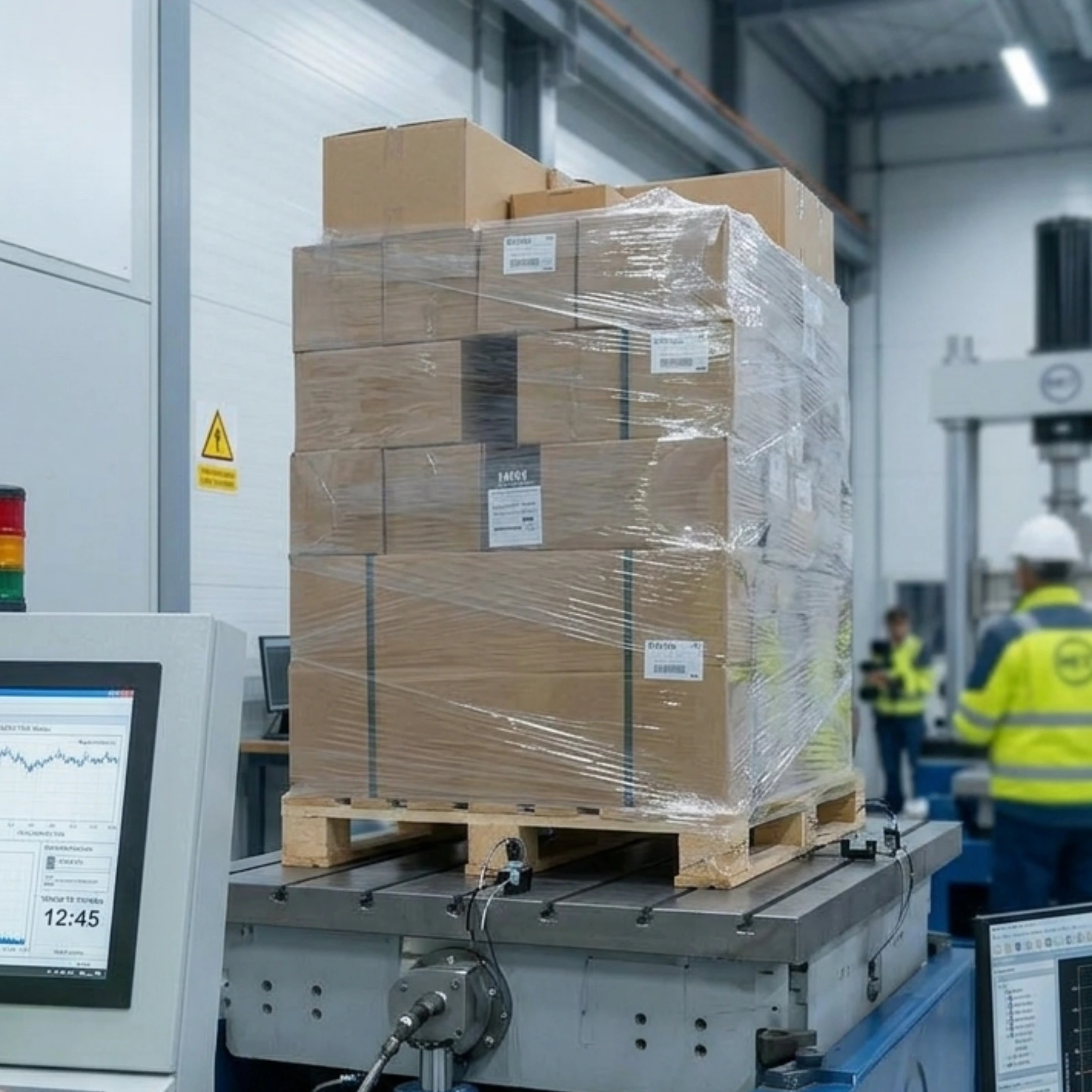
Transportation Simulation

  • Truck and rail simulation
  • Marine transport vibration
  • Air transport vibration profiles
  • Packaging validation under vibration conditions

Combined Environment Testing

  • Temperature + vibration testing
  • Environmental chamber vibration
  • Integrated mechanical and climatic stress simulation
While vibration testing focuses on continuous oscillatory stress, shock testing can also be integrated where impact validation is required.

Need help selecting the right tests for your products?

Our engineers can guide you through applicable vibration profiles and regulatory requirements.

Accreditation

Accredited Environmental Simulation Laboratory

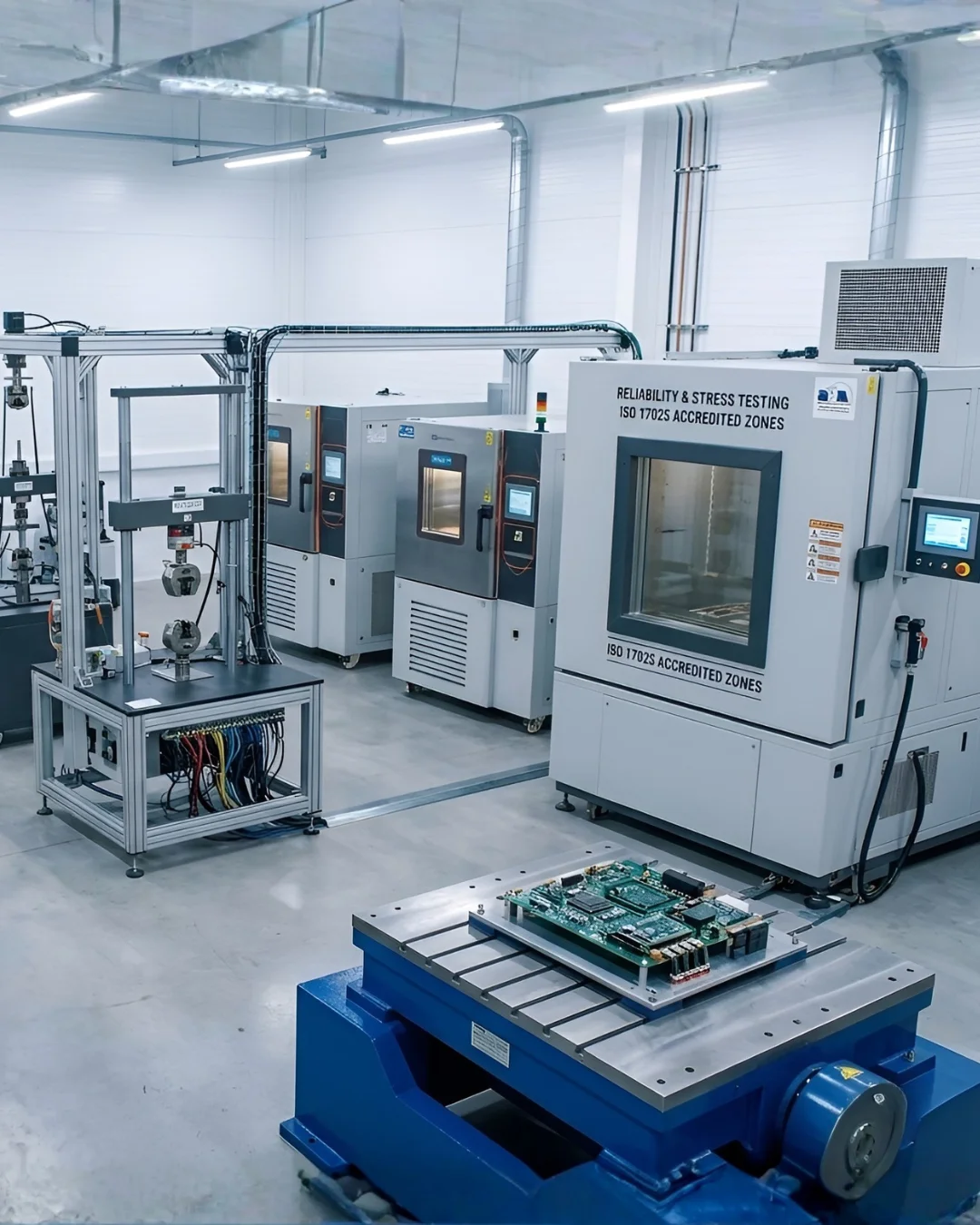
Eurofins MET Labs operates ISO 17025-accredited environmental simulation laboratories equipped with advanced vibration testing systems. Our facilities include electrodynamic and hydraulic shaker systems, large walk-in environmental chambers, and high-capacity platforms capable of simulating demanding mechanical environments. Vibration testing is performed in accordance with:

 

  Government and regulatory requirements

 

  Military and aerospace standards


  Industry and manufacturer specifications

 

  OEM-specific qualification programs

Coverage

Our Vibration Testing services support manufacturers across a wide range of industries, including:

Electrical and electronic equipment 

Automotive and electric vehicles 

Industrial and commercial products

Telecommunications (NEBS / GR-63) 

Defense and aerospace applications 

Energy and green technologies 

We work closely with product development, quality, and compliance teams to ensure testing programs align with both technical and regulatory expectations.

Certification

Vibration Testing for Compliance
& Market Access

Vibration Testing plays a critical role in demonstrating product compliance and supporting certification efforts. By validating structural integrity early in the development cycle, manufacturers can reduce rework, avoid delays, and increase confidence in regulatory submissions.

Our vibration testing programs are designed to support: 

             Product certification 

             Regulatory approval  

            OEM validation  

             Global market acceptance 


Process

How Vibration
Testing Works

Define Requirements

Share your product details, intended environments, and applicable standards.

Test Program Development

Our engineers identify relevant vibration standards and design a tailored testing plan. 

Testing and Reporting

Testing is performed in our accredited laboratories with detailed technical documentation and reporting.

FAQ

Answers to common questions
about Vibration Testing

What products require Vibration Testing? 

Vibration Testing is commonly required for electronic devices, automotive components, aerospace systems, industrial equipment, and products exposed to dynamic environments during transport or operation.  

Which standards are used for Vibration Testing?  

Testing may be performed according to military, regulatory, industry, or OEM-specific standards such as MIL-STD-810, IEC 60068, GR-63, SAE J1455, and other manufacturer specifications. 

How long does Vibration Testing take? 

Testing timelines vary depending on product complexity, vibration profile requirements, and applicable standards. Many programs can be scheduled to align with development and certification milestones. 

Can vibration testing be combined with other environmental tests? 

Yes. Vibration testing is frequently combined with temperature, humidity, or other environmental simulations to replicate real-world operating conditions more accurately. 


Request a Quote for Reliability Testing

If you need to validate long-term product reliability, lifecycle durability, or accelerated failure analysis, our reliability testing specialists are ready to assist.